
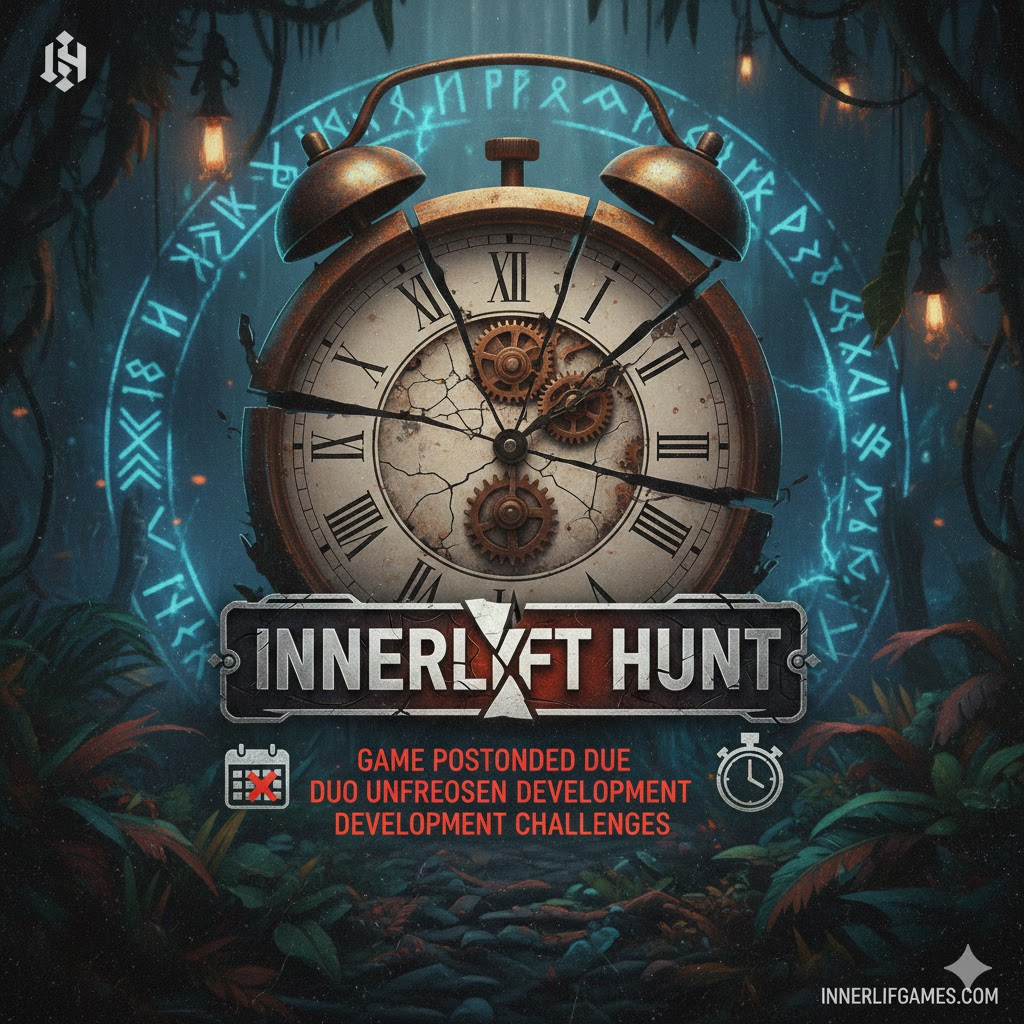
The question of why innerlifthunt game postponed has become a recurring search query among fans, industry watchers, and players eager for clarity. Anticipation around the game had been steadily building, fueled by early previews, community speculation, and a growing interest in narrative-driven interactive experiences. When news of the delay surfaced, it naturally triggered concern, confusion, and curiosity.
This article exists to answer that question thoroughly and responsibly. Rather than offering surface-level speculation, it explores development realities, industry patterns, and player impact to provide a definitive resource. If you are trying to understand why innerlifthunt game postponed, what it means for the project’s future, and how delays like this typically unfold, you are in the right place.
Understanding the Initial Announcement Context
The first public signals explaining why innerlifthunt game postponed came through indirect channels rather than a single dramatic announcement. Community updates, adjusted timelines, and subtle messaging shifts often precede a formal delay confirmation in modern game development. This softer approach helps studios manage expectations while internal decisions are finalized.
From an industry perspective, this is not unusual. Development teams often recognize risks weeks or months before they publicly acknowledge them. By the time players noticed the change, internal discussions about scope, stability, and release readiness were likely already underway, shaping the eventual postponement decision.
Development Cycles and Modern Game Complexity
To understand why innerlifthunt game postponed, it helps to recognize how modern game development has evolved. Even smaller or mid-sized titles now involve layered systems such as narrative branching, physics simulation, AI behavior, and cross-platform optimization. Each added layer increases both creative potential and technical risk.
Innerlifthunt appears to fall into this modern category, blending immersive storytelling with interactive mechanics. When systems are tightly interwoven, a flaw in one area can ripple across the entire experience. Delays often emerge not from failure, but from ambition colliding with technical reality.
Quality Control as a Central Factor
One of the most cited internal reasons when discussing why innerlifthunt game postponed is quality assurance. Testing phases routinely uncover issues that cannot be responsibly patched after launch. Bugs affecting progression, save states, or narrative triggers can permanently damage player trust if released prematurely.
From a studio standpoint, postponement becomes a strategic choice rather than a setback. Releasing a flawed product may satisfy short-term schedules, but it often results in negative reviews, refunds, and long-term brand damage. Choosing delay signals a commitment to delivering the experience as originally promised.
Narrative Integrity and Story Refinement
Innerlifthunt’s appeal appears rooted heavily in its narrative depth. Story-driven games demand an unusually high level of internal consistency. Dialogue pacing, character arcs, and emotional payoff all depend on precise sequencing and polish.
When developers evaluate why innerlifthunt game postponed, narrative refinement is often a quiet but powerful driver. A single unresolved plot thread or tonal inconsistency can undermine the entire experience. Additional development time allows writers and designers to align gameplay mechanics with emotional storytelling goals.
Technical Optimization Across Platforms
Another major contributor to why innerlifthunt game postponed involves platform performance. Even if a game runs smoothly on a primary development platform, optimization for other systems can expose unexpected limitations. Frame rate instability, memory leaks, or input latency issues frequently emerge late in testing.

In today’s market, players expect consistency regardless of hardware. Launching on multiple platforms without proper optimization risks fragmenting the player experience. Postponement offers the opportunity to ensure parity, stability, and performance standards are met across all intended releases.
Team Capacity and Resource Allocation
Game development is not immune to human limitations. Understanding why innerlifthunt game postponed also means acknowledging workload management, team size, and sustainable production practices. Smaller teams often wear multiple hats, making them vulnerable to bottlenecks when unexpected issues arise.
Rather than pushing teams into unsustainable crunch periods, many studios now prioritize long-term productivity and well-being. This cultural shift across the industry has normalized delays as a healthier alternative to burnout, turnover, and diminished creative output.
External Dependencies and Tooling Challenges
Behind every game is a stack of external tools and engines. Licensing updates, engine version changes, or third-party plugin issues can all influence timelines. These dependencies are often invisible to players but heavily impact production schedules.
When analyzing why innerlifthunt game postponed, external tooling friction cannot be ignored. A single compatibility issue between engine updates and custom systems can stall progress until resolved. Delays in these scenarios are preventative, avoiding compounding technical debt later.
Market Timing and Competitive Landscape
Release timing plays a strategic role in postponement decisions. Launching too close to major industry releases can drown out visibility and limit commercial success. Studios sometimes delay strategically to avoid direct competition with larger titles.
In the case of why innerlifthunt game postponed, market positioning may have influenced the decision. A quieter launch window can improve discoverability, press coverage, and player engagement, ultimately benefiting the game’s long-term performance.
Community Feedback and Early Testing Signals
Community engagement has become a valuable diagnostic tool. Feedback from demos, closed tests, or early previews often reveals usability issues or unmet expectations. Ignoring this feedback risks alienating the core audience.
If early player input indicated confusion, pacing problems, or mechanical friction, developers may have concluded that additional refinement was necessary. This feedback loop is a constructive reason why innerlifthunt game postponed, showing responsiveness rather than indecision.
Financial and Funding Considerations
Game development budgets are dynamic. Shifts in funding schedules, investor expectations, or monetization strategy can all affect timelines. While not always publicly discussed, financial recalibration is a real factor in postponements.
Understanding why innerlifthunt game postponed may involve behind-the-scenes budget alignment. Additional development time requires resources, but it can also protect long-term revenue by ensuring the product meets market expectations at launch.
Comparison With Similar Game Delays
To put the postponement into perspective, it helps to compare it with industry patterns. Many critically acclaimed games experienced delays before release, later benefiting from improved quality and reception.
| Aspect | On-Time Release | Postponed Release |
|---|---|---|
| Initial Stability | Often mixed | Significantly improved |
| Player Trust | Risk of backlash | Higher long-term trust |
| Review Scores | Volatile | More consistent |
| Developer Reputation | Short-term gain | Sustained credibility |
This comparison highlights why innerlifthunt game postponed may ultimately be a positive indicator rather than a warning sign.
Communication Strategy and Transparency
How a studio communicates delays shapes public perception. Clear, honest messaging reduces frustration and builds goodwill. Vague or inconsistent updates, on the other hand, can amplify speculation.
In this case, understanding why innerlifthunt game postponed also involves evaluating how information was shared. Incremental updates, even without firm dates, signal ongoing progress and respect for the player community’s investment.
Player Expectations and Emotional Investment
Delays affect more than calendars. Players emotionally invest in anticipated experiences, especially narrative-driven games. A postponement can feel personal, even when rationally understood.
Acknowledging this emotional dimension is essential when discussing why innerlifthunt game postponed. Transparent explanations and visible progress help maintain enthusiasm and prevent disengagement during extended development periods.
Long-Term Vision Versus Short-Term Pressure
Studios constantly balance vision against deadlines. Releasing early may satisfy contractual milestones, but it can compromise artistic intent. Delays often indicate that the creative vision remains intact.
From this angle, why innerlifthunt game postponed reflects a choice to protect the game’s identity. Preserving thematic depth, gameplay coherence, and narrative resonance requires time that rigid schedules cannot always accommodate.
Industry Expert Perspective
Industry veterans frequently emphasize patience as a virtue in game development. As one widely shared insight notes:
“Delays are not signs of weakness in development; they’re signs of accountability to players and to the craft.”
This perspective reinforces the idea that why innerlifthunt game postponed is less about problems and more about standards.
Misconceptions Around Game Postponements
A common misconception is that delays automatically signal failure. In reality, postponements are often proactive measures taken before critical issues escalate. Another myth is that more time always guarantees perfection, which is also untrue.
The reality behind why innerlifthunt game postponed likely sits between these extremes. Additional time increases the probability of quality, but only when guided by clear priorities and disciplined execution.
Potential Benefits for Players
While waiting can be frustrating, players often benefit from delays through smoother gameplay, fewer patches, and more cohesive storytelling at launch. A delayed release may also reduce the need for disruptive day-one updates.
Viewed this way, why innerlifthunt game postponed aligns with player interests. The extra development window serves as an investment in a more satisfying first impression.
Signals of Ongoing Progress
Postponement does not equal stagnation. Development typically accelerates during delay periods as teams focus on targeted improvements. Progress updates, asset showcases, or behind-the-scenes insights often follow.
Monitoring these signals helps contextualize why innerlifthunt game postponed as part of an active, evolving process rather than an indefinite pause.
Broader Trends in the Gaming Industry
The industry as a whole has become more tolerant of delays. High-profile examples have reshaped expectations, teaching players that patience can pay off. This cultural shift supports studios choosing quality over speed.
Within this trend, why innerlifthunt game postponed fits a broader pattern of recalibrated release strategies focused on longevity rather than launch hype alone.
Conclusion: What the Postponement Really Means
The discussion around why innerlifthunt game postponed ultimately points to intention rather than instability. Development complexity, quality standards, narrative ambition, and player expectations all intersect in the decision to delay. Far from being a red flag, the postponement suggests careful stewardship of the project.
For players, the key takeaway is patience paired with awareness. Delays are part of modern game development, and when handled responsibly, they often result in stronger, more memorable experiences. Innerlifthunt’s postponement should be viewed through this lens of long-term value rather than short-term disappointment.
Frequently Asked Questions
Why was Innerlifthunt delayed instead of released with patches?
The main reason why innerlifthunt game postponed is to avoid foundational issues that patches cannot fully resolve, particularly those affecting narrative flow and core mechanics.
Does the postponement mean development problems?
Not necessarily. Why innerlifthunt game postponed appears tied more to refinement and optimization than to critical failures or project instability.
Will the delay improve gameplay quality?
In most cases, yes. Understanding why innerlifthunt game postponed suggests that extra time is being used to polish systems and improve overall player experience.
Has a new release window been confirmed?
While timelines may shift, why innerlifthunt game postponed indicates a focus on readiness rather than rigid dates, prioritizing quality over speed.
Should players be concerned about cancellation?
Current signals do not suggest cancellation. The reasons why innerlifthunt game postponed align with active development and long-term commitment to the project.