
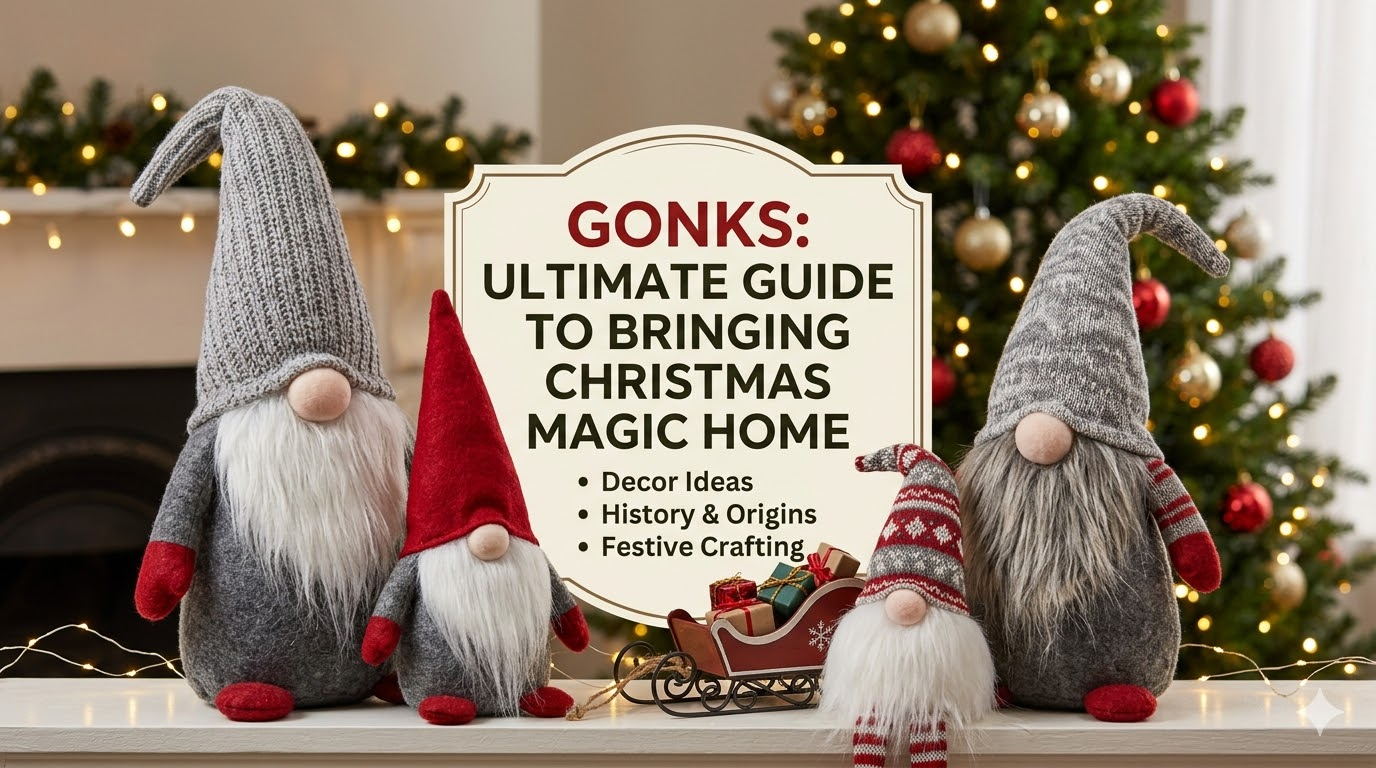
Gonk has become a beloved addition to festive décor in homes across the UK. These quirky, gnome-like figures have captured the hearts of decorators, collectors, and craft enthusiasts alike. With their stout bodies, long beards, and tall hats that often cover their eyes, gonks bring a unique charm and whimsical touch to Christmas settings. Unlike traditional gnomes, gonks carry a rich history rooted in Scandinavian folklore, making them both decorative and culturally significant.
The rise of gonks in popularity is closely tied to their versatility and cheerful presence. They can be displayed on shelves, mantelpieces, tables, or even as tree toppers. Their distinctive appearance and wide variety of designs allow them to complement both modern and traditional festive themes. For many, having a gonk in their home evokes warmth, nostalgia, and a sense of playful creativity, which is why they have become a must-have decoration during the holiday season.
gonk: What Is a Gonk?
A gonk is a small, bearded figure with a rounded body, large nose, and a tall, pointed hat that conceals its eyes. Often mistaken for gnomes, gonks are more whimsical in appearance and carry a playful charm that appeals to all ages. These figures are traditionally used as Christmas decorations, but their origins and variations make them unique collectibles. The word gonk itself has been associated with novelty toys in the 1960s UK and has been popularised in modern décor as a symbol of festive cheer.
Beyond Christmas décor, gonk has appeared in popular culture in various forms. In Star Wars, a gonk refers to the GNK power droid, nicknamed for its humorous, clunky movements. This playful use of the word has contributed to the figure’s quirky reputation. Today, however, gonk is most recognised for its role in holiday décor, with its Scandinavian-inspired design evoking the mythology of Nisse and Tomte, the protective house spirits of Nordic folklore.
gonk: History and Origin of Gonks
The history of gonk dates back to Scandinavian and Nordic traditions, where figures like Nisse or Tomte were believed to protect households and bring good fortune. These early gonk-like figures were guardians, keeping homes safe from mischief and ensuring prosperity. Over time, the designs evolved from mythological symbols to decorative figures, eventually becoming a staple of festive celebrations in the UK. Their cultural significance remained, linking tradition with the cheerful spirit of Christmas.
In the 1960s, gonks were popularised in the United Kingdom as novelty toys created by inventor Robert Benson. They were initially quirky collectibles rather than festive decorations, but their charm quickly caught on. Modern gonks blend historical folklore with contemporary design, incorporating materials like plush, felt, and LED lights. Scottish adaptations, such as tartan-patterned gonks, added regional character, making these figures not only decorative but also culturally rich and collectible.
gonk: Physical Characteristics of Gonks
Gonk is easily recognisable due to its distinct appearance. Most gonks have a stout, rounded body, a long flowing beard, and a tall pointed hat covering the eyes. The large, bulbous nose protruding from beneath the hat adds to their whimsical character. Gonks come in various sizes, from small figurines perfect for table displays to large plush models that can act as centrepieces in a festive room, giving homes a cosy, Nordic feel.
Modern gonks also showcase a variety of materials and designs. Some are plush and soft, while others incorporate LED lights or handmade embellishments. The combination of unique materials and quirky details allows collectors and decorators to personalise their festive arrangements. Whether used as part of a themed décor or as a standalone figure, gonks provide charm, character, and a touch of playful magic to holiday spaces.
gonk: Gonks as Christmas Decorations
Gonk has become synonymous with Christmas decorations in many UK homes. These figures are versatile, making them ideal for placement on shelves, mantels, dining tables, or even as tree toppers. Their Nordic-inspired design brings a cosy, whimsical atmosphere that traditional Christmas ornaments often lack. Gonks are particularly effective at adding character and warmth, helping families create festive displays that feel inviting and cheerful.
DIY and personalised gonks have also contributed to their popularity. Craft enthusiasts enjoy creating handmade gonks using felt, faux fur, and decorative accessories. Adding small touches like LED lights or seasonal outfits makes these figures even more charming. Handmade gonks not only enhance festive décor but also encourage creativity, allowing families to craft meaningful decorations that become treasured parts of their holiday traditions.
gonk: Collecting Gonks
Gonk has grown into a collectible item for enthusiasts across the UK and beyond. Collectors often seek rare, limited-edition, or designer gonks that feature unique materials, patterns, or festive themes. Building a collection allows enthusiasts to explore different styles, colours, and sizes, creating a personalised display that reflects both historical roots and modern trends. Each gonk carries its own story, adding depth and character to a collection.
The collectible nature of gonks has been supported by specialty shops and online marketplaces. Limited editions, handmade designs, and themed gonks are highly sought after by collectors. For many, collecting gonks is not just about decoration but also about celebrating the cultural history and artistic creativity behind these figures. A well-curated collection can become a source of pride, festive inspiration, and ongoing enjoyment for enthusiasts of all ages.
gonk: How to Make Your Own Gonk
Creating a gonk at home is a fun and creative activity that appeals to both adults and children. Using materials such as felt, faux fur, stuffing, and small decorative accessories, you can craft a personalised figure with endless design possibilities. Handmade gonks can reflect individual tastes, with variations in hat shape, beard style, and clothing, making each creation unique and charming.
DIY gonks also make meaningful gifts and festive décor. By adding LED lights, seasonal colours, or mini accessories, homemade gonks can be customised to match your home’s festive theme. Crafting a gonk is not only enjoyable but also provides a sense of accomplishment, allowing families and enthusiasts to create figures that will become cherished parts of their holiday celebrations for years to come.
gonk: Conclusion
Gonk has become a symbol of festive cheer, blending Scandinavian folklore with modern creativity. From its origins in Nordic mythology to its rise as a beloved Christmas decoration in the UK, gonks continue to enchant collectors, decorators, and craft enthusiasts. Their whimsical design, cultural significance, and versatility make them an essential part of holiday décor, offering warmth, charm, and a playful touch to any festive setting.
Whether you buy, collect, or make your own gonk, these figures bring a unique character to Christmas celebrations. Their enduring popularity is a testament to the creativity and cultural heritage they represent. By incorporating gonks into your home, you can enjoy a decorative figure that is not only visually appealing but also rich in history and meaning, making your festive season truly special.
gonk