
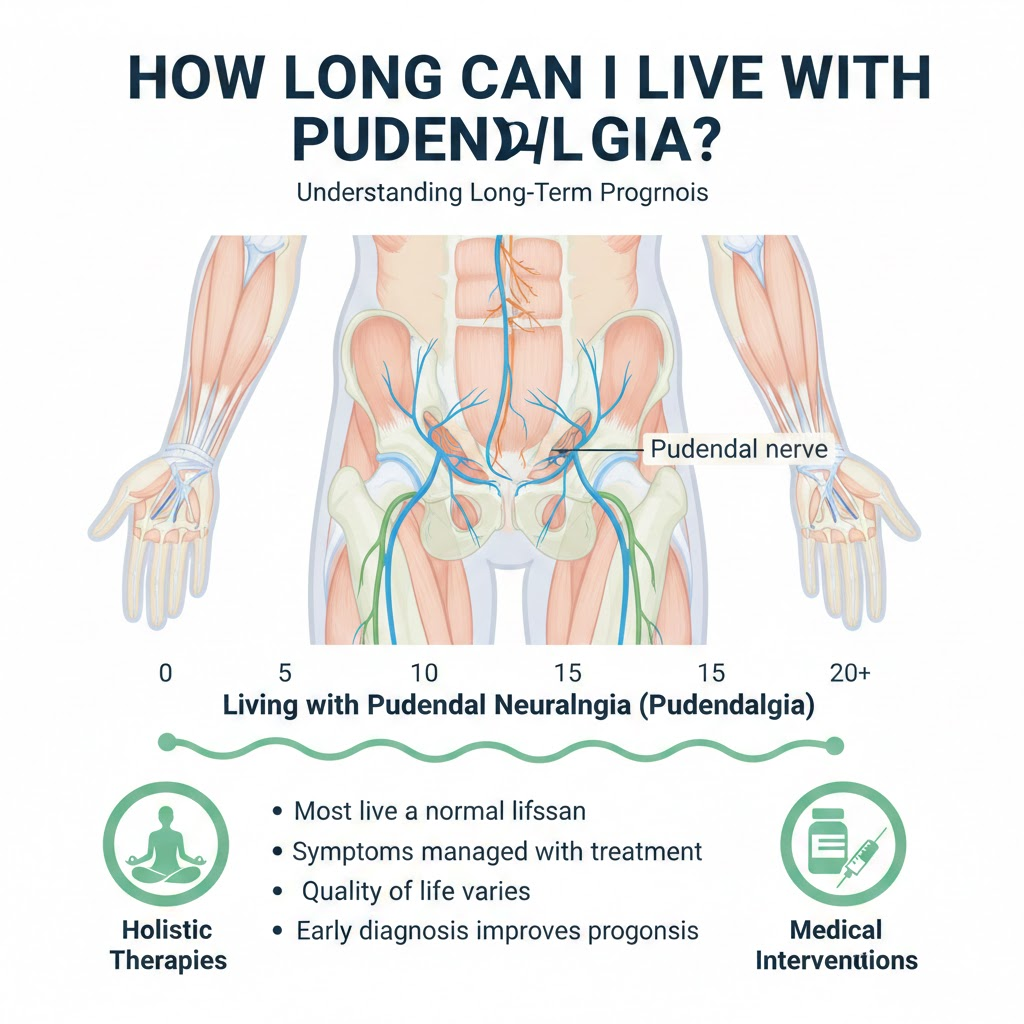
Pavatalgia, commonly referred to as pain in the sole of the foot, is a condition that can be persistent and disruptive to everyday life. Many people who experience this discomfort naturally worry about their long-term health and frequently ask, how long can I live with pavatalgia? Understanding the condition, its causes, and the ways to manage it can bring reassurance and significantly improve overall quality of life.
Living with pavatalgia is rarely life-threatening, but it can affect mobility and daily routines if not managed effectively. Most individuals who follow recommended treatment plans and make appropriate lifestyle adjustments can maintain normal life expectancy. With proper care and attention, pavatalgia can be controlled, ensuring that concerns over how long can I live with pavatalgia are largely alleviated.
What is Pavatalgia?
Pavatalgia is the medical term for chronic or recurring pain in the sole of the foot, often concentrated under the heel or the ball of the foot. This pain can range from mild discomfort to severe aching that makes walking, standing, or performing daily activities challenging. Although it is painful, pavatalgia is generally not considered a condition that threatens life.
The causes of pavatalgia are varied and may include inflammation of the plantar fascia, nerve irritation, overuse injuries, or other structural issues in the foot. It can affect people of all ages but is more prevalent among adults who spend long hours on their feet or engage in repetitive physical activities. Understanding what pavatalgia entails is crucial for those wondering how long can I live with pavatalgia.
Causes and Risk Factors of Pavatalgia
Pavatalgia may develop due to a combination of lifestyle, environmental, and medical factors. Extended periods of standing or walking, wearing unsupportive shoes, or carrying excess weight can place undue stress on the feet, gradually leading to chronic pain. Lifestyle modifications can therefore play a significant role in preventing and alleviating symptoms.
In addition to lifestyle influences, medical conditions such as diabetes, peripheral artery disease, and nerve disorders can contribute to pavatalgia. Age and genetic predisposition may also play a part in susceptibility. Awareness of these risk factors helps patients manage their condition effectively and reduces anxiety over how long can I live with pavatalgia by addressing potential complications early.
Life Expectancy and Pavatalgia: What the Research Says
A key concern for many people is whether pavatalgia affects overall lifespan. Research indicates that pavatalgia itself does not shorten life expectancy. The condition primarily impacts comfort and mobility, and with appropriate management, most individuals can lead a healthy, active life. Understanding this fact provides reassurance to those living with chronic foot pain.
However, pavatalgia can be associated with underlying conditions such as diabetes or peripheral artery disease, which may have a greater impact on health if left untreated. Therefore, regular medical check-ups and effective management of both the foot condition and any comorbidities are essential. Addressing these factors ensures that questions about how long can I live with pavatalgia can be answered positively, with normal life expectancy being the likely outcome.
Diagnosis and When to See a Doctor
Diagnosis of pavatalgia typically begins with a physical examination and a discussion of symptoms. In some cases, imaging tests or blood work may be required to rule out other causes of foot pain, such as stress fractures or systemic illnesses. Early diagnosis allows for targeted treatment, preventing the condition from worsening and interfering with daily life.
Patients should seek medical advice promptly if they experience red flag symptoms, including sudden swelling, numbness, or worsening pain. Regular check-ups and consultations with healthcare professionals help maintain foot health and provide reassurance about how long can I live with pavatalgia. Early intervention ensures that the condition remains manageable and does not affect overall wellbeing.
Effective Management and Treatment Options
Managing pavatalgia focuses on relieving pain, improving mobility, and preventing recurrence. Lifestyle adjustments are often the first line of defence, including wearing supportive footwear, performing regular stretching exercises, and maintaining a healthy body weight. These changes can significantly reduce discomfort and improve everyday functioning.
Medical interventions such as physical therapy, orthotics, anti-inflammatory medications, or corticosteroid injections may be necessary for more severe cases. Surgery is rarely required but can be an option in persistent situations. Following a structured treatment plan and consistently implementing lifestyle adjustments ensures that individuals can confidently manage their condition and address concerns about how long can I live with pavatalgia effectively.
Coping With Pavatalgia: Practical Advice
Chronic foot pain can also affect mental wellbeing, as it may limit mobility and participation in everyday activities. Incorporating low-impact exercises like swimming, cycling, or yoga can help maintain fitness without aggravating symptoms. Building a support network through online communities or healthcare professionals can also provide emotional relief and practical guidance.
Establishing a daily routine that includes stretching, rest, and careful foot care can reduce the risk of flare-ups. Patients who adhere to these strategies often experience improved quality of life and greater confidence in their ability to manage pavatalgia. Such measures reassure individuals about how long can I live with pavatalgia, showing that the condition can be effectively controlled.
Conclusion
Pavatalgia, though painful and persistent for some, is rarely life-threatening. Most individuals can expect a normal lifespan, provided they follow recommended treatment and lifestyle strategies. By understanding the causes, seeking timely medical care, and implementing effective management techniques, people can maintain mobility, reduce pain, and enjoy a fulfilling, active life despite this condition.
Reassurance and education are key for anyone living with pavatalgia. With appropriate care, individuals can confidently answer the question how long can I live with pavatalgia and focus on improving comfort, maintaining foot health, and living a normal, healthy lifestyle.
FAQs
Can pavatalgia shorten my life?
Pavatalgia itself does not affect life expectancy. Any concerns are usually related to underlying health conditions rather than the foot pain alone.
How long does pavatalgia usually last?
Symptoms may persist for weeks to months, depending on severity and treatment adherence. Early intervention often results in faster relief.
What lifestyle changes can improve pavatalgia?
Supportive footwear, regular stretching, maintaining a healthy weight, and avoiding repetitive foot strain are effective in reducing pain.
Are there any serious complications of pavatalgia?
Complications are uncommon, but underlying conditions like diabetes or neuropathy can exacerbate symptoms if not managed.
Is surgery necessary for pavatalgia?
Surgery is rarely required and is usually only considered if conservative treatments fail to provide relief.
Can children or teenagers get pavatalgia?
Yes, young people can develop pavatalgia, often due to sports injuries or growth-related stress on the foot.
How can I prevent pavatalgia from returning?
Preventive measures include proper footwear, foot exercises, avoiding prolonged standing, and maintaining a healthy lifestyle to support foot health.