Home workouts have become one of the most popular fitness trends in recent years. Many people now prefer exercising at home because it saves time, reduces expenses, and offers flexibility. You do not need expensive equipment or a gym membership to stay healthy. With the right plan and consistency, home workouts can deliver powerful fitness results.
Why Home Workouts Are Becoming Popular
Modern lifestyles are busy, and not everyone has time to travel to a gym. Home workouts remove common barriers such as commuting, waiting for equipment, or strict schedules. You can exercise whenever it fits your routine.
Another advantage is comfort. Many beginners feel more confident exercising privately at home, allowing them to focus on learning movements without pressure.
Home workouts also make fitness accessible to people of all ages and fitness levels.
Benefits of Exercising at Home
Home workouts provide several physical and mental benefits:
- Improve cardiovascular health
- Build muscle strength
- Increase flexibility
- Reduce stress levels
- Boost energy and mood
Regular physical activity also strengthens the immune system and improves sleep quality.
Setting Up Your Home Workout Space
You do not need a large room to exercise effectively. A small clean space is enough.
Basic setup tips include:
- Choose a quiet area with ventilation
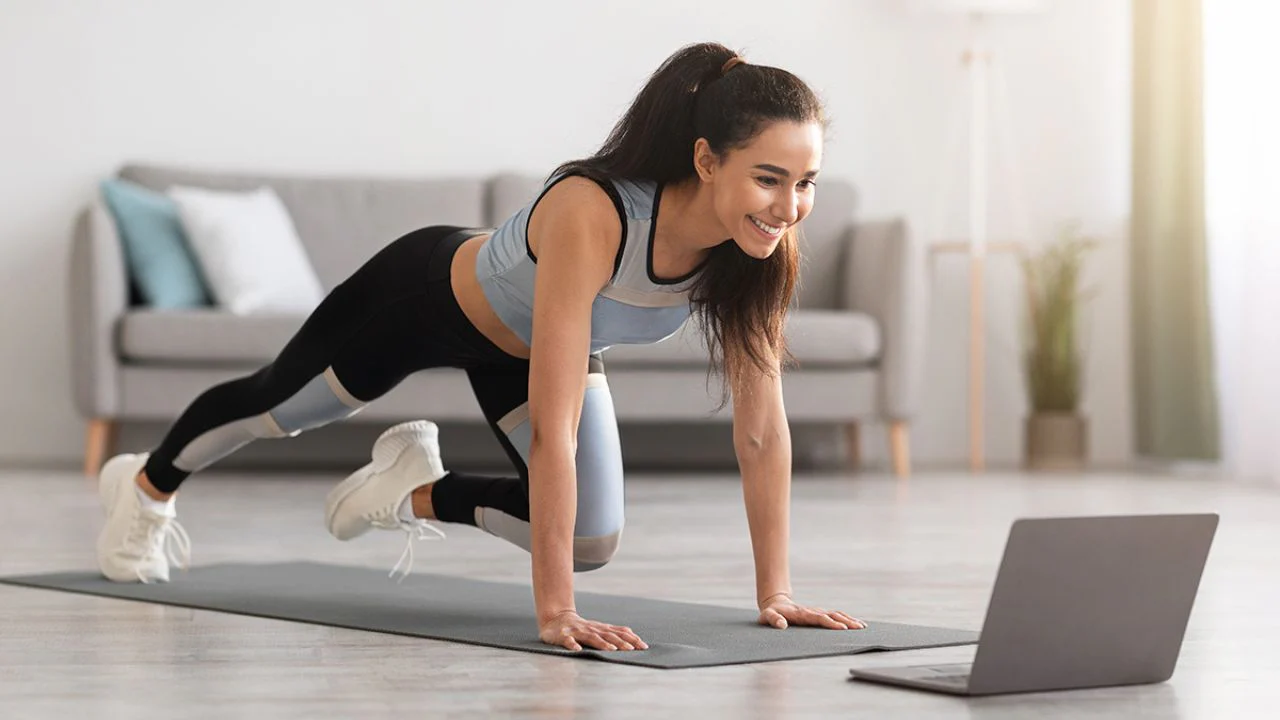
- Use a yoga mat or comfortable surface
- Keep water nearby
- Remove distractions
Optional equipment like resistance bands or dumbbells can enhance workouts but are not necessary for beginners.
Types of Home Workouts
Bodyweight Training
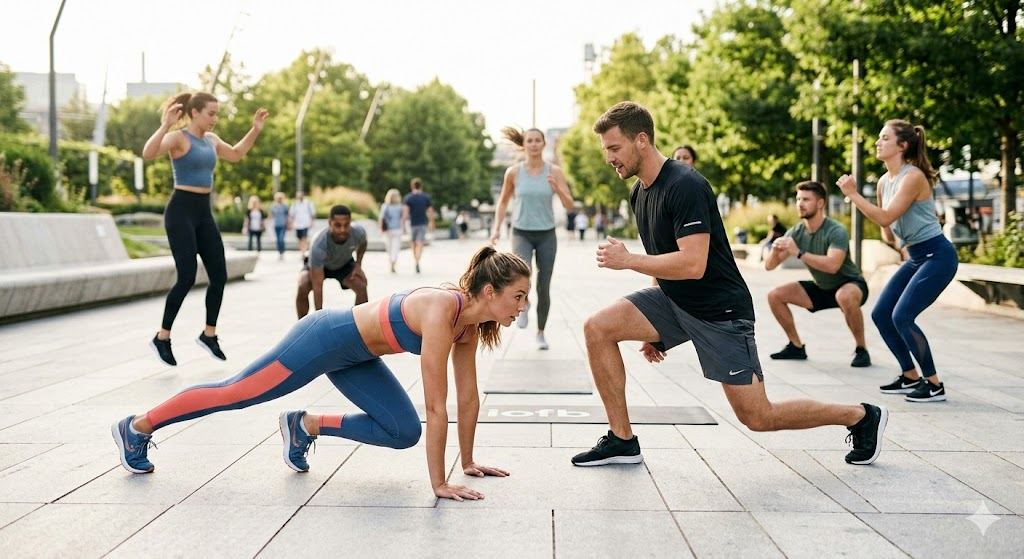
Bodyweight exercises use your own weight for resistance. Examples include push-ups, squats, lunges, and planks. These exercises improve strength and endurance without equipment.
Cardio Workouts
Cardio exercises increase heart rate and burn calories. Jumping jacks, high knees, running in place, or skipping rope are effective options.
Flexibility and Mobility Exercises
Stretching and yoga improve posture and prevent injuries. Flexibility training is essential for recovery and long-term mobility.
HIIT Workouts
High-Intensity Interval Training alternates short intense exercises with rest periods. HIIT burns calories quickly and improves fitness efficiently.
Creating a Weekly Home Workout Plan
A balanced plan should include different types of exercises:
- Strength training: 3 days per week
- Cardio exercises: 2–3 days
- Stretching or yoga: daily short sessions
Consistency matters more than workout duration.
Staying Motivated at Home
Motivation can be challenging without a gym environment. Setting goals, tracking progress, and following online workout videos can help maintain consistency.
Listening to music or exercising with a friend virtually can also make workouts enjoyable.
Common Mistakes to Avoid
Many beginners skip warm-ups or overtrain. Always start with light stretching and gradually increase intensity. Proper form is more important than speed.
Conclusion
Home workouts prove that fitness does not depend on location. With discipline and planning, exercising at home can improve strength, health, and confidence. The key is consistency and gradual progress.